
Strategy
Are you profiling your customers based on assumptions?
Many brands build customer profiles following old tactic, resulting in vague personas and ineffective marketing strategies. Looking for an effective and strategic tactic, read below.
Date
May 28, 2026
Reading Time
2 min

Below is an example of a "target customer profile" commonly found in marketing plans.
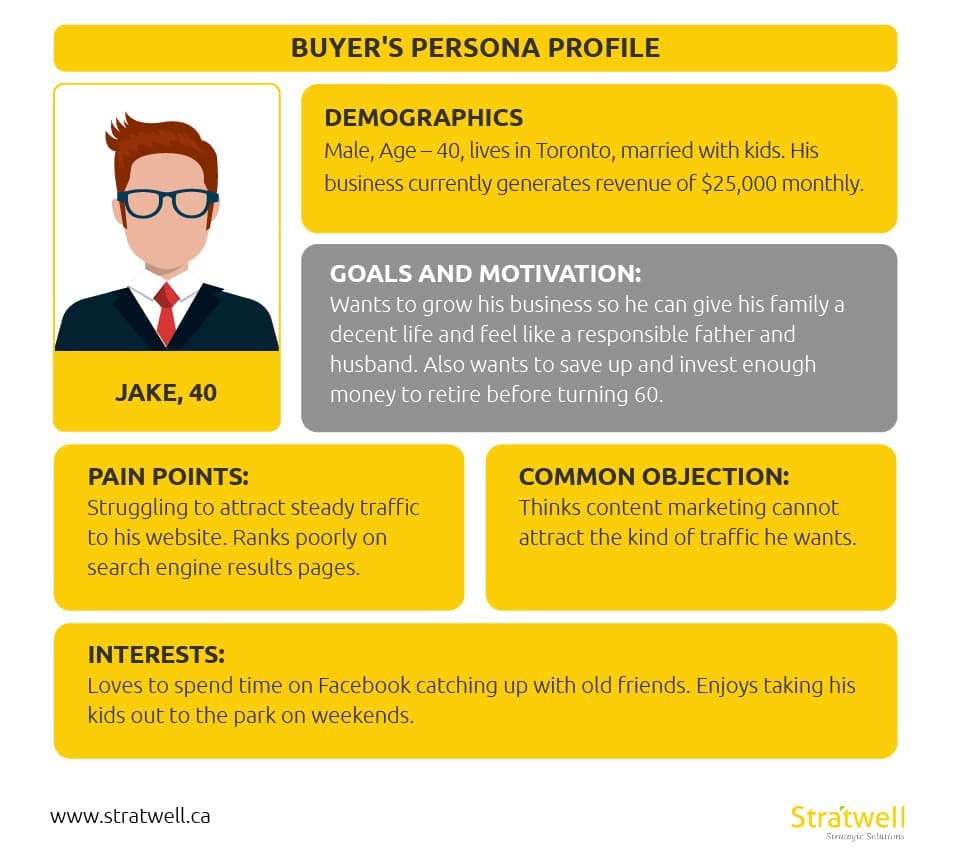
A customer profile includes some factors such as: demographics, behavior and habits, desires or pain points. Very classic. However, once the customer profile is applied to Marketing plan, the outcome is often less effective than expected. Over time, you may begin to realize that the profile you’ve built is not as reliable or insightful as you initially believed.
This is the most common method for defining a target customer profile in Marketing. The approach itself is not flawed or outdated, however, when the profiling process begins from subjective assumptions rather than validated insight, the outcome tends to become unclear, generalized, and strategically weak.
What is the problem?
This confusion often arises when the entire process begins with the brand or product rather than the customer. Businesses assume their product will resonate with a specific audience - or, in some cases, define the audience based on who they want to sell to. They then build a customer profile around that assumption. Yet when the product is finally launched, it often fails to reach or resonate with that intended segment.
As a result, this method is subjective from the very beginning. And despite continued efforts in research, surveying, and data analysis, the final outcome often remains largely unchanged.
Then which methodology now?
In behavioral psychologists’s opinion, we need to answer the question "why do we buy what we buy?".
The right approach begins with understanding the customer’s goals. This can be structured through a Customer Goal Map that explores the purpose behind the purchases.
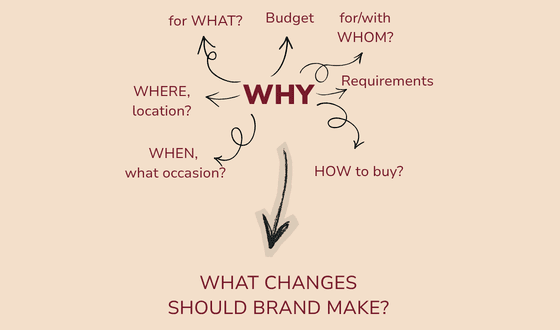
A well-structured Customer Goal Map allows a brand to build a more reliable customer portrait. It serves as a foundation for behavioral analysis and helps identify key points of influence within the customer journey. From there, the process can progress more strategically into content development and channel selection for an effective Marketing strategy.